Morse Code and the Titanic
Morse code played a crucial role during the tragic sinking of the Titanic in April 1912, saving hundreds of lives through timely wireless communication. The ship’s Marconi radio operators used this system of dots and dashes to send distress signals, alerting nearby vessels like the Carpathia to come to the rescue. Without Morse code and the pioneering technology of Guglielmo Marconi, the scale of the disaster could have been even more catastrophic. Today, the Titanic serves as a historic example of how early radio communication revolutionized maritime safety and emergency response. Understanding this connection highlights both the technological innovation of the early 20th century and its profound human impact.
Introduction
The Titanic disaster remains one of the most well-known maritime tragedies in history, combining human error, natural hazards, and the limits of early 20th-century technology. This section explores how Morse code and Marconi’s radio innovations played a pivotal role in attempting to save lives. Understanding the Titanic’s story provides insight into both historical maritime safety practices and the evolution of wireless communication.
The Titanic Disaster
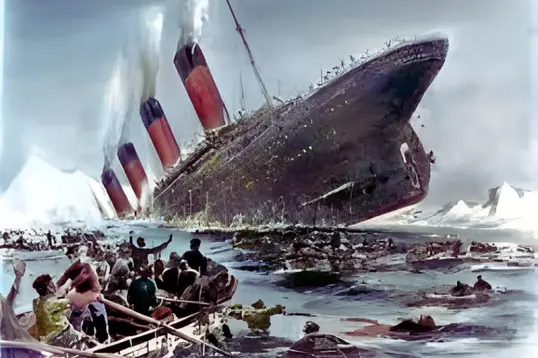
The Titanic, a British luxury liner, tragically sank on April 14, 1912, after colliding with an iceberg during its maiden voyage from Southampton to New York. Over 1,500 of the more than 2,200 passengers and crew perished, making it one of the deadliest maritime accidents in modern history. This disaster highlighted the limitations of ship design and emergency preparedness at the time, underscoring the crucial role of effective communication systems.
Importance of Morse Code at Sea
Morse code was a revolutionary tool for maritime communication, enabling ship operators to send emergency messages over long distances without the need for wires. On the Titanic, wireless operators used this system to transmit distress signals, which alerted nearby ships like the Carpathia and facilitated the rescue of hundreds of survivors. Beyond emergencies, Morse code became a cornerstone of early 20th-century maritime safety, demonstrating how technology could mitigate human error in critical situations.
Marconi and the Evolution of Radio Technology
In the early 1900s, wireless communication changed completely thanks to Italian inventor Guglielmo Marconi, who proved that radio signals could travel long distances without cables. His system used antennas, transmitters, and receivers to send messages in Morse code, allowing ships like the Titanic to stay connected even in difficult weather conditions. Marconi’s innovations made wireless communication reliable at sea and earned him worldwide recognition, including the Nobel Prize in Physics in 1909.
Morse code played a key role in early radio communication by turning letters and words into simple dots and dashes that could travel across the airwaves. This system allowed operators to share messages quickly and clearly, especially when voice communication wasn’t possible. By combining Morse code with Marconi’s radio technology, ships could maintain constant contact with coastal stations and nearby vessels, greatly improving maritime safety and emergency communication.
Morse Code Messages on Titanic
The Titanic relied heavily on Morse code to communicate both routine messages and urgent distress signals during its voyage. This system enabled operators to maintain contact with other ships and shore stations, playing a crucial role in coordinating emergency responses when disaster struck. Beyond life-saving alerts, Morse code also facilitated day-to-day communication between passengers and the mainland.
Personal Messages (Marconigrams)
Passengers aboard the Titanic often sent short telegrams, known as Marconigrams, to keep in touch with friends, family, and business associates. These messages, transmitted via Marconi’s wireless equipment, were a modern convenience for wealthy travelers at the time. Sending personal communications highlighted how radio technology had begun bridging vast distances, even before the emergency unfolded.
CQD Distress Signal
CQD was the initial distress signal used by Titanic’s operators, meaning “All stations, distress” along with the ship’s call sign. This signal alerted nearby vessels that the ship was in grave danger and required immediate assistance. The repeated transmission of CQD was instrumental in catching the attention of rescue ships like the Carpathia, directly contributing to the survival of hundreds.
Why SOS Was Sent Later
Though SOS had been introduced internationally in 1908, the Titanic initially used CQD as it was the traditional Marconi signal. Later, SOS was also sent as a standardized call, reflecting the operators’ awareness of evolving international radio practices. The use of both signals ensured maximum visibility and emphasized the urgency of the emergency.
Use of Morse Lamp for Signaling
In addition to radio transmissions, crew members used a Morse lamp to signal nearby ships with flashes of light. This helped when wireless messages couldn’t reach certain vessels or when quick attention was needed. Although the Californian didn’t respond properly, the Morse lamp still showed how versatile Morse code is beyond radio signals.
Morse Code Systems
In the early 20th century, two major versions of Morse code were in use: Continental (International) and American Morse code.
Ships like the Titanic mainly relied on Continental Morse code because it offered a standard, globally recognized pattern for letters and numbers. This made communication across long distances smooth and accurate, especially during emergencies. With this system, operators could send messages that any trained operator around the world could easily understand.
By contrast, American Morse code was mostly used in the United States for landline telegraphy and had different timings and character styles. Although it wasn’t common at sea, Titanic’s radio operators still needed basic awareness of it to connect with certain U.S. stations or vessels. The need to understand both systems shows how skilled and adaptable early radio operators had to be during a time when wireless communication was still evolving.
Titanic’s Radio Equipment
The Titanic was equipped with state-of-the-art Marconi wireless technology, making it one of the most advanced ships of its time in terms of communication. This equipment allowed continuous transmission of messages to shore and nearby vessels, which became crucial during the emergency. Its installation marked a significant milestone in the evolution of maritime radio systems.
Marconi Room and Installation
The Marconi Room, located within the Titanic, housed the ship’s wireless apparatus and served as the operational hub for radio communication. The room contained transmitters, receivers, and antennas arranged to maximize signal strength across long distances. Trained operators could manage the equipment around the clock, ensuring both routine and emergency messages were promptly sent.
Key Features of Titanic’s Radio System
The radio system featured a powerful 5-kilowatt transmitter capable of reaching ships hundreds of miles away. Redundant components and a spare battery ensured communication could continue even if part of the system failed. Two Marconi operators were assigned to maintain a 24-hour watch, highlighting the importance placed on reliability and safety in maritime operations.
Changes After the Disaster
The sinking of the Titanic prompted major reforms in maritime communication and safety, influencing international regulations that continue to shape the industry today. Lessons learned from the tragedy highlighted the need for standardized protocols and continuous monitoring to prevent similar disasters. These changes ensured that wireless technology could serve its full life-saving potential.
International Radio Regulations
Following the disaster, the second International Radiotelegraph Convention introduced stricter rules for radio communication at sea. Ships were required to maintain a continuous wireless watch, and standards were set for equipment performance and operator training. These regulations aimed to create a reliable global network for distress communication, improving coordination between vessels and coastal stations.
Safety Improvements and 24-Hour Radio Watch
Maritime authorities mandated that ships have a 24-hour radio watch, ensuring distress calls would never go unanswered. Backup systems, including spare batteries and redundant transmitters, became standard to prevent communication failures. These safety improvements significantly enhanced the ability of ships to respond to emergencies, saving countless lives in future maritime incidents.
Legacy of Morse Code and Titanic
The Titanic disaster left a lasting impact on maritime communication, demonstrating the critical importance of reliable wireless technology. Morse code, combined with Marconi’s innovations, became an essential component of safety protocols, influencing ship design and operational standards worldwide. The lessons learned continue to shape emergency communication practices today.
Impact on Maritime Communication
The tragedy accelerated the adoption of standardized Morse code procedures across international waters, ensuring all ships could effectively communicate during emergencies. It also highlighted the need for trained radio operators and 24-hour wireless coverage, setting new benchmarks for maritime safety. These changes made sea travel safer and more predictable in the decades that followed.
Historical Significance
Beyond its technical implications, the Titanic disaster remains a symbol of human resilience, technological progress, and the lessons learned from tragedy. The ship’s story, combined with the role of Morse code, illustrates how innovation can save lives while exposing gaps that must be addressed. This historical significance continues to inspire maritime safety policies and public interest in early communication technologies.